BLOG DETAILS
BLOG DETAILS
BLOG DETAILS
Railway Siding Development in India: Opportunities, Compliance & Future Growth
Railway Siding Development in India: Opportunities, Compliance & Future Growth
Railway Siding Development in India: Opportunities, Compliance & Future Growth
Jan 20, 2026
/
savik infra
/
8 min
Jan 20, 2026
/
savik infra
/
8 min
Jan 20, 2026
/
savik infra
/
8 min
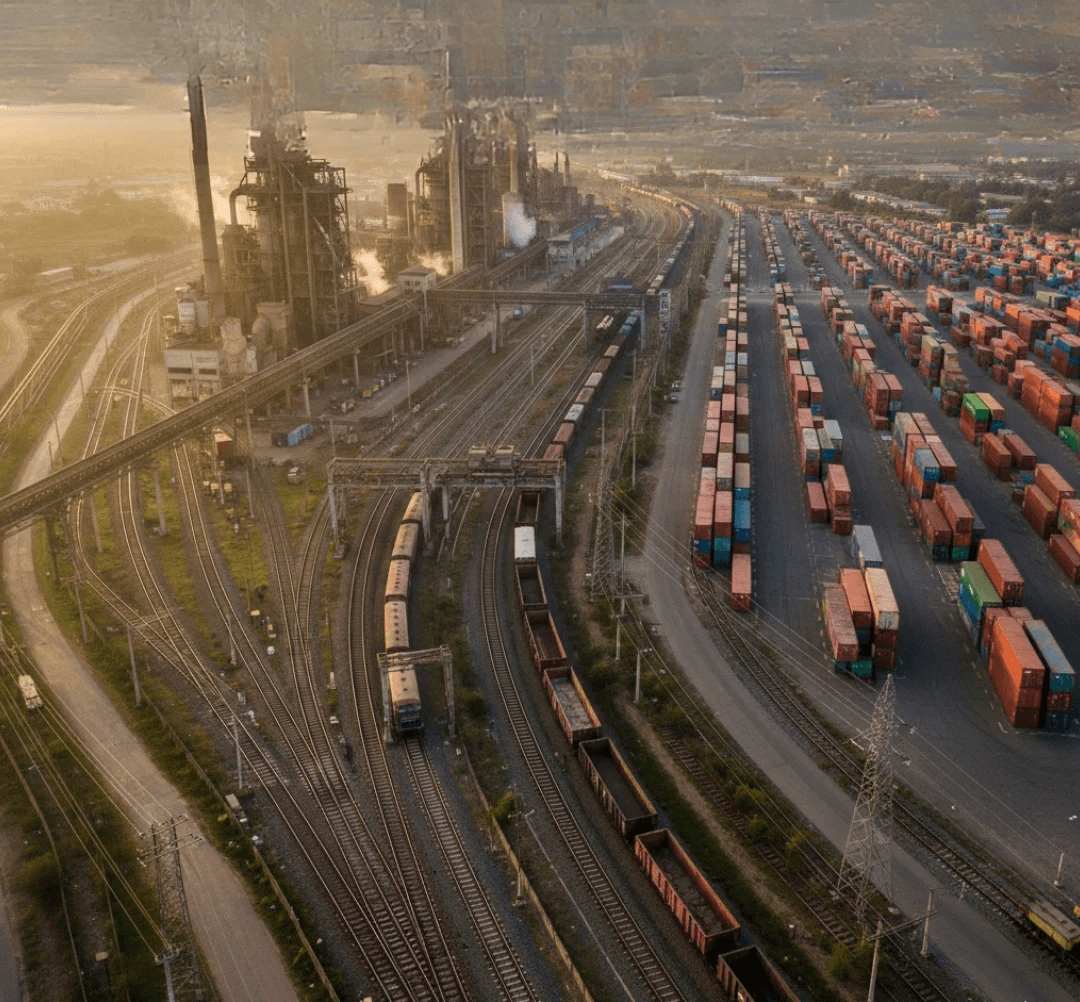
The Growing Importance of Railway Siding Infrastructure in India
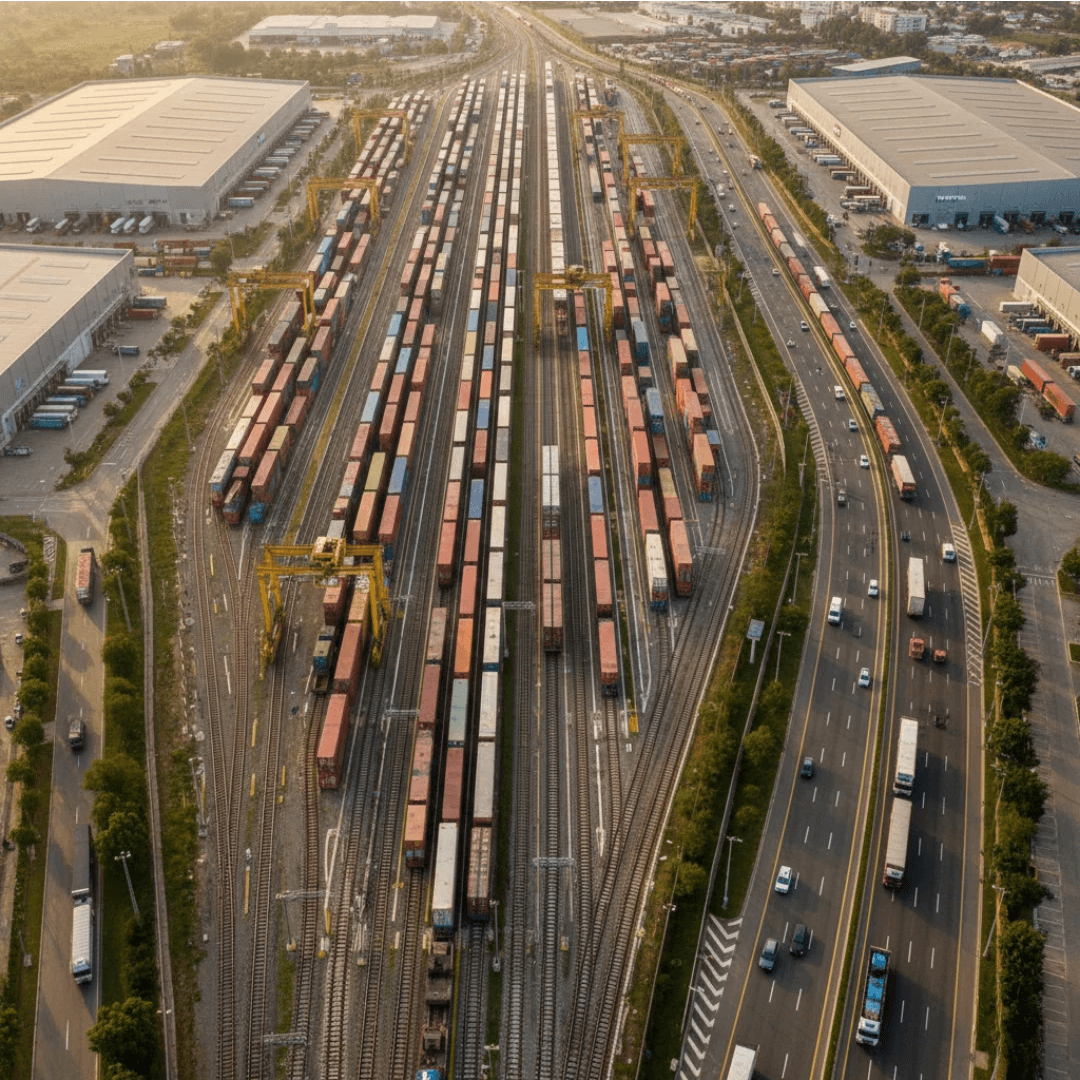
India’s logistics and industrial ecosystem is evolving rapidly. As manufacturing expands and bulk cargo movement increases, railway siding development in India has become a key driver of efficient and cost-effective freight transportation. A railway siding is a dedicated rail link that connects an industrial facility—such as a factory, power plant, warehouse, mine, or port—directly to the main railway network.
With strong policy support from Indian Railways and infrastructure push under national development plans, industries are increasingly investing in private railway sidings, rail freight terminals, and industrial rail connectivity projects. These sidings reduce road congestion, lower logistics costs, and ensure faster cargo movement—making them a strategic asset for large-scale operations.
What Railway Siding Development Involves
Railway siding development is a specialized infrastructure process that involves survey, design, civil construction, track laying, signaling integration, and coordination with the concerned railway zone. It begins with a feasibility study and Detailed Project Report (DPR), followed by technical approvals, land development, and track alignment planning.
Engineering precision is crucial. Factors such as soil condition, load-bearing capacity, yard layout, wagon handling systems, and safety standards must align with railway norms. Integration with electrified railway networks and installation of signaling systems ensure smooth and secure freight operations.
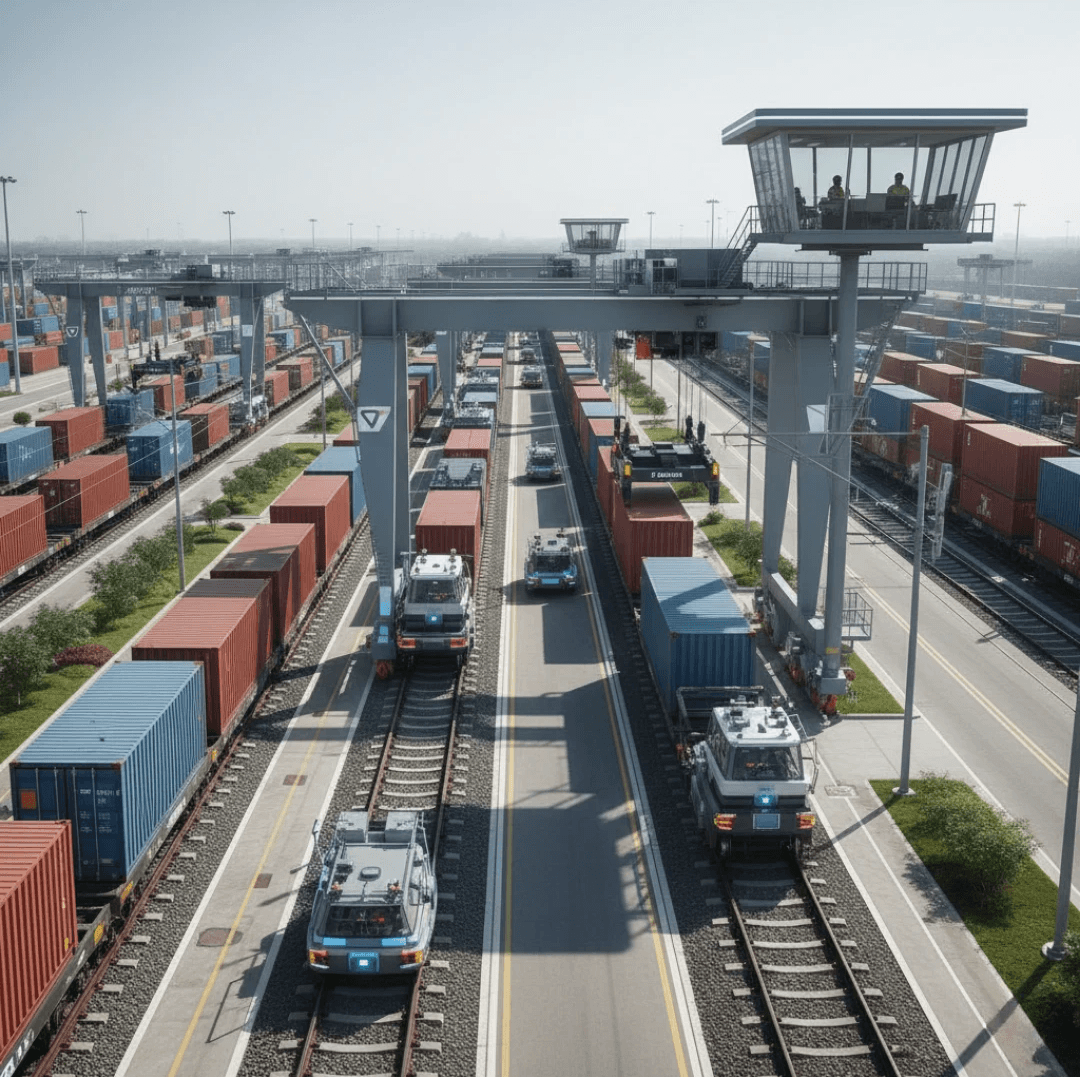
For industries handling bulk commodities like steel, cement, coal, fertilizers, and containers, a dedicated rail siding significantly enhances operational efficiency by allowing direct loading and unloading within their premises.
The Growing Importance of Railway Siding Infrastructure in India
India’s logistics and industrial ecosystem is evolving rapidly. As manufacturing expands and bulk cargo movement increases, railway siding development in India has become a key driver of efficient and cost-effective freight transportation. A railway siding is a dedicated rail link that connects an industrial facility—such as a factory, power plant, warehouse, mine, or port—directly to the main railway network.
With strong policy support from Indian Railways and infrastructure push under national development plans, industries are increasingly investing in private railway sidings, rail freight terminals, and industrial rail connectivity projects. These sidings reduce road congestion, lower logistics costs, and ensure faster cargo movement—making them a strategic asset for large-scale operations.
What Railway Siding Development Involves
Railway siding development is a specialized infrastructure process that involves survey, design, civil construction, track laying, signaling integration, and coordination with the concerned railway zone. It begins with a feasibility study and Detailed Project Report (DPR), followed by technical approvals, land development, and track alignment planning.
Engineering precision is crucial. Factors such as soil condition, load-bearing capacity, yard layout, wagon handling systems, and safety standards must align with railway norms. Integration with electrified railway networks and installation of signaling systems ensure smooth and secure freight operations.
For industries handling bulk commodities like steel, cement, coal, fertilizers, and containers, a dedicated rail siding significantly enhances operational efficiency by allowing direct loading and unloading within their premises.
The Growing Importance of Railway Siding Infrastructure in India
India’s logistics and industrial ecosystem is evolving rapidly. As manufacturing expands and bulk cargo movement increases, railway siding development in India has become a key driver of efficient and cost-effective freight transportation. A railway siding is a dedicated rail link that connects an industrial facility—such as a factory, power plant, warehouse, mine, or port—directly to the main railway network.
With strong policy support from Indian Railways and infrastructure push under national development plans, industries are increasingly investing in private railway sidings, rail freight terminals, and industrial rail connectivity projects. These sidings reduce road congestion, lower logistics costs, and ensure faster cargo movement—making them a strategic asset for large-scale operations.
What Railway Siding Development Involves
Railway siding development is a specialized infrastructure process that involves survey, design, civil construction, track laying, signaling integration, and coordination with the concerned railway zone. It begins with a feasibility study and Detailed Project Report (DPR), followed by technical approvals, land development, and track alignment planning.
Engineering precision is crucial. Factors such as soil condition, load-bearing capacity, yard layout, wagon handling systems, and safety standards must align with railway norms. Integration with electrified railway networks and installation of signaling systems ensure smooth and secure freight operations.
For industries handling bulk commodities like steel, cement, coal, fertilizers, and containers, a dedicated rail siding significantly enhances operational efficiency by allowing direct loading and unloading within their premises.
Building home, happy hearts
Building home, happy hearts
Innovative technology with building better development
Innovative technology with building better development
Discovering possibility and transparent communication
Discovering possibility and transparent communication
The ability to turnaround costing with sustainable construction
The ability to turnaround costing with sustainable construction
Building home, happy hearts
Innovative technology with building better development
Discovering possibility and transparent communication
The ability to turnaround costing with sustainable construction
Building home, happy hearts
Innovative technology with building better development
Discovering possibility and transparent communication
The ability to turnaround costing with sustainable construction
Opportunities in Private Railway Siding Projects
The demand for industrial rail infrastructure in India is growing steadily. With freight corridors and industrial clusters expanding across major states, railway siding projects are becoming essential for businesses aiming to scale operations.
The development of the Dedicated Freight Corridor Corporation of India Limited has created new opportunities for industries located along freight routes. Faster transit times, higher load capacity, and improved rail efficiency make private rail connectivity a competitive advantage.
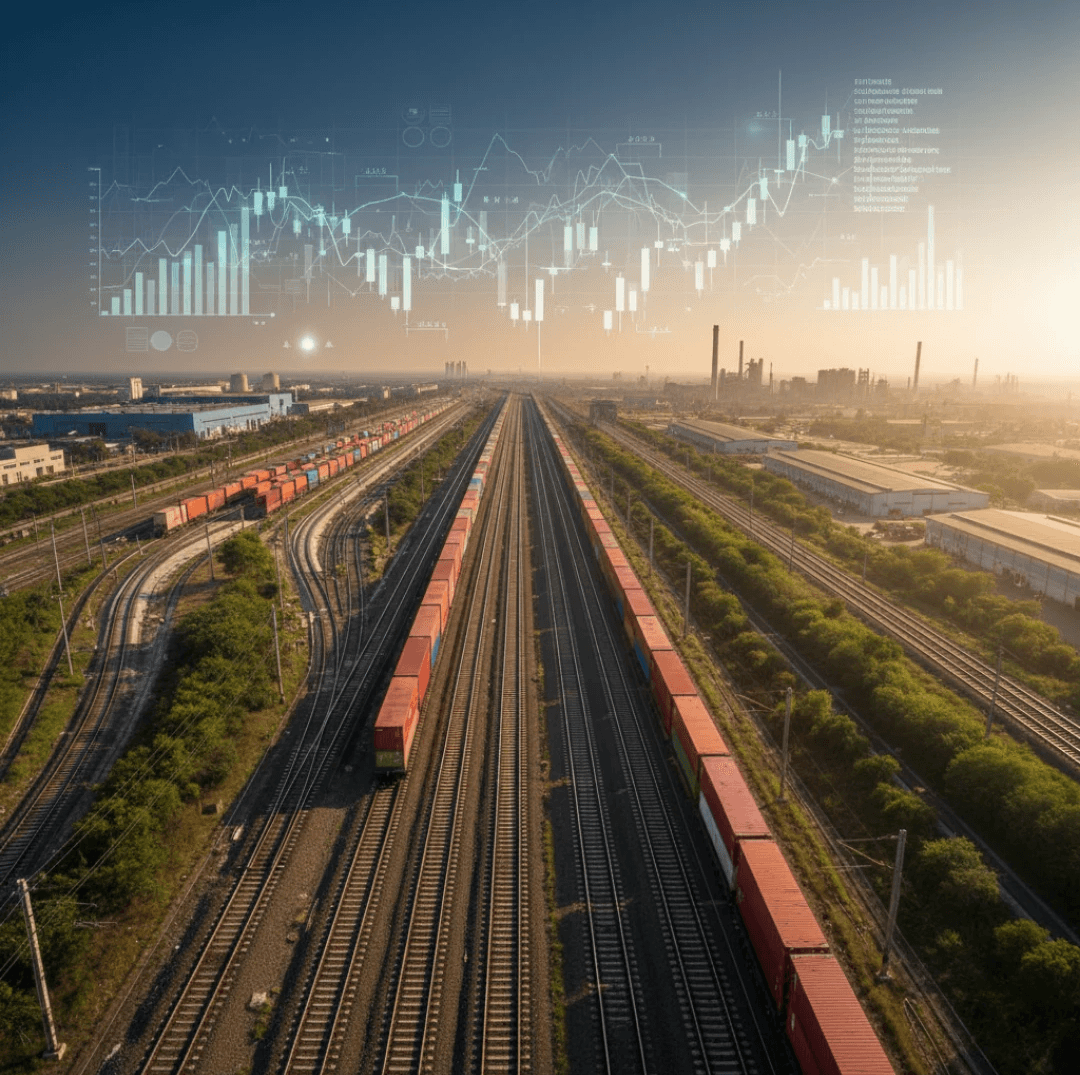
Government initiatives promoting multimodal logistics parks and industrial corridors are further boosting investments in railway siding development. As logistics costs remain a critical factor in business profitability, industries are turning toward rail-based freight solutions to achieve long-term cost optimization and supply chain stability.
Compliance & Regulatory Framework
Railway siding development in India requires strict compliance with regulatory and safety standards. Approvals must be obtained from Indian Railways and the respective Zonal Railway authorities. Projects must adhere to guidelines related to track specifications, signaling systems, land use, and operational safety.
Environmental clearances, statutory permissions, and pre-commissioning inspections are integral parts of the process. Proper documentation, technical validation, and coordination with railway authorities ensure smooth approval and commissioning.
Because of these complexities, partnering with experienced infrastructure developers is crucial to avoid delays and ensure compliance at every stage of execution.
Economic & Operational Advantages
A private railway siding offers measurable financial and operational benefits. Rail freight is significantly more economical for long-distance and high-volume cargo movement compared to road transport. By reducing truck dependency and minimizing handling costs, industries can lower overall logistics expenditure.
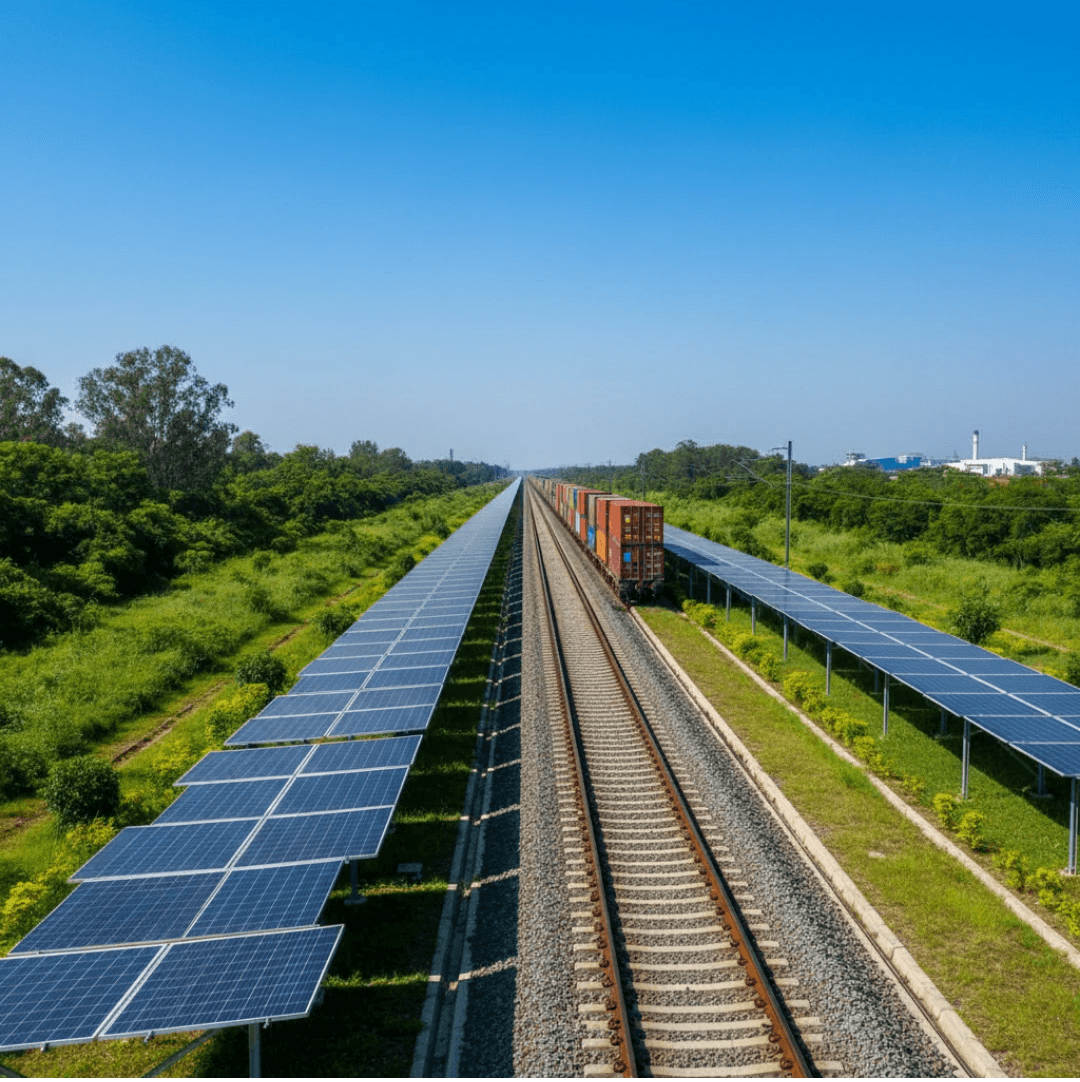
Rail connectivity also improves turnaround time and cargo safety. Dedicated sidings reduce congestion at public railway stations and enable seamless dispatch planning. Additionally, rail-based logistics contribute to sustainability goals by lowering carbon emissions and supporting eco-friendly transportation strategies.
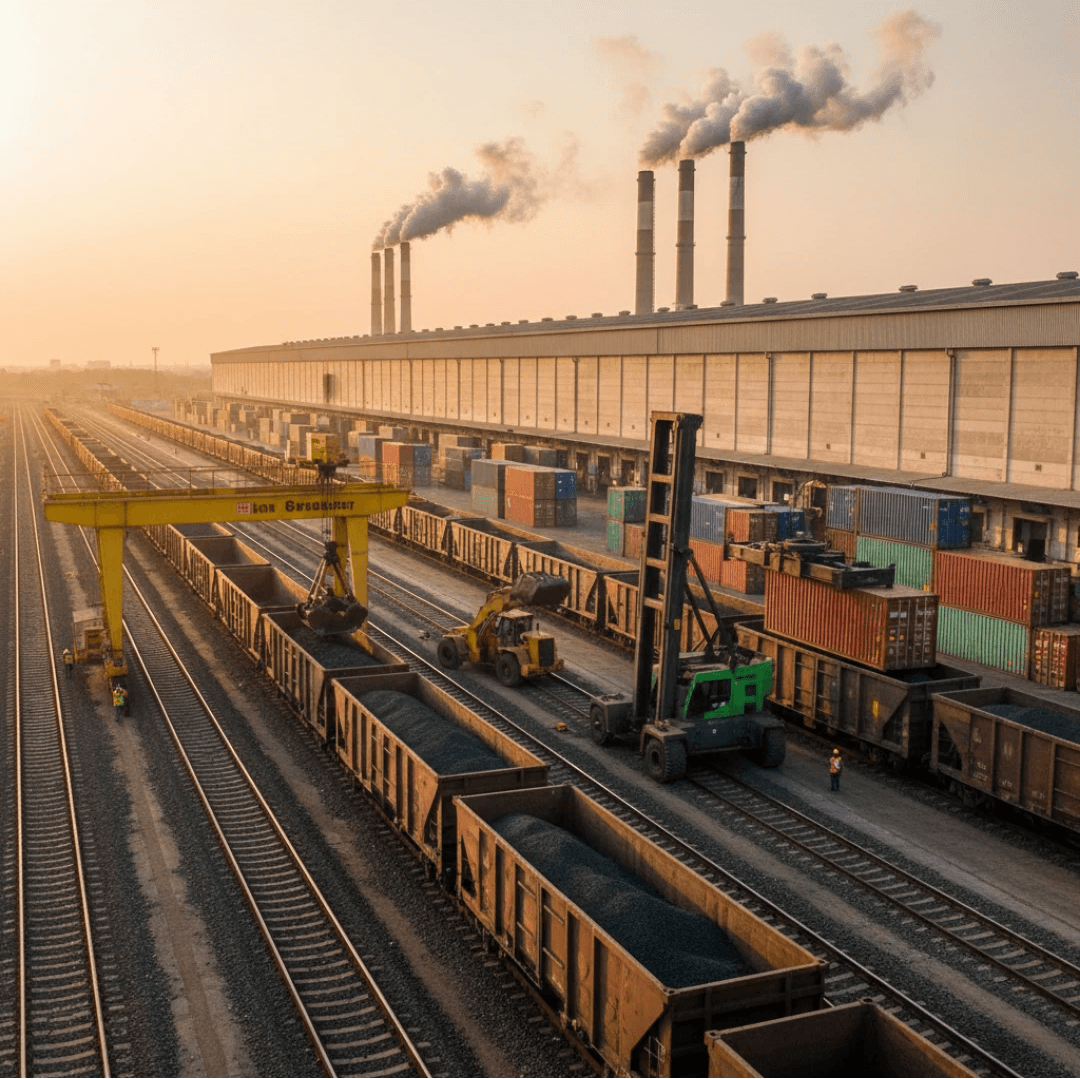
Opportunities in Private Railway Siding Projects
The demand for industrial rail infrastructure in India is growing steadily. With freight corridors and industrial clusters expanding across major states, railway siding projects are becoming essential for businesses aiming to scale operations.
The development of the Dedicated Freight Corridor Corporation of India Limited has created new opportunities for industries located along freight routes. Faster transit times, higher load capacity, and improved rail efficiency make private rail connectivity a competitive advantage.
Government initiatives promoting multimodal logistics parks and industrial corridors are further boosting investments in railway siding development. As logistics costs remain a critical factor in business profitability, industries are turning toward rail-based freight solutions to achieve long-term cost optimization and supply chain stability.
Compliance & Regulatory Framework
Railway siding development in India requires strict compliance with regulatory and safety standards. Approvals must be obtained from Indian Railways and the respective Zonal Railway authorities. Projects must adhere to guidelines related to track specifications, signaling systems, land use, and operational safety.
Environmental clearances, statutory permissions, and pre-commissioning inspections are integral parts of the process. Proper documentation, technical validation, and coordination with railway authorities ensure smooth approval and commissioning.
Because of these complexities, partnering with experienced infrastructure developers is crucial to avoid delays and ensure compliance at every stage of execution.
Economic & Operational Advantages
A private railway siding offers measurable financial and operational benefits. Rail freight is significantly more economical for long-distance and high-volume cargo movement compared to road transport. By reducing truck dependency and minimizing handling costs, industries can lower overall logistics expenditure.
Rail connectivity also improves turnaround time and cargo safety. Dedicated sidings reduce congestion at public railway stations and enable seamless dispatch planning. Additionally, rail-based logistics contribute to sustainability goals by lowering carbon emissions and supporting eco-friendly transportation strategies.
Opportunities in Private Railway Siding Projects
The demand for industrial rail infrastructure in India is growing steadily. With freight corridors and industrial clusters expanding across major states, railway siding projects are becoming essential for businesses aiming to scale operations.
The development of the Dedicated Freight Corridor Corporation of India Limited has created new opportunities for industries located along freight routes. Faster transit times, higher load capacity, and improved rail efficiency make private rail connectivity a competitive advantage.
Government initiatives promoting multimodal logistics parks and industrial corridors are further boosting investments in railway siding development. As logistics costs remain a critical factor in business profitability, industries are turning toward rail-based freight solutions to achieve long-term cost optimization and supply chain stability.
Compliance & Regulatory Framework
Railway siding development in India requires strict compliance with regulatory and safety standards. Approvals must be obtained from Indian Railways and the respective Zonal Railway authorities. Projects must adhere to guidelines related to track specifications, signaling systems, land use, and operational safety.
Environmental clearances, statutory permissions, and pre-commissioning inspections are integral parts of the process. Proper documentation, technical validation, and coordination with railway authorities ensure smooth approval and commissioning.
Because of these complexities, partnering with experienced infrastructure developers is crucial to avoid delays and ensure compliance at every stage of execution.
Economic & Operational Advantages
A private railway siding offers measurable financial and operational benefits. Rail freight is significantly more economical for long-distance and high-volume cargo movement compared to road transport. By reducing truck dependency and minimizing handling costs, industries can lower overall logistics expenditure.
Rail connectivity also improves turnaround time and cargo safety. Dedicated sidings reduce congestion at public railway stations and enable seamless dispatch planning. Additionally, rail-based logistics contribute to sustainability goals by lowering carbon emissions and supporting eco-friendly transportation strategies.
India’s logistics and industrial ecosystem is evolving rapidly
India’s logistics and industrial ecosystem is evolving rapidly
India’s logistics and industrial ecosystem is evolving rapidly
India’s logistics and industrial ecosystem is evolving rapidly
The Future of Railway Siding Development in India
The future of railway siding projects in India is closely tied to the country’s industrial growth and infrastructure modernization. As India strengthens its manufacturing capabilities and positions itself as a global production hub, efficient rail connectivity will play a pivotal role.
With expanding freight corridors, increased private sector participation, and continued electrification of railway routes, demand for railway siding development is expected to grow steadily over the coming years. Industries that invest in rail connectivity today will gain a strong competitive advantage in cost efficiency, reliability, and scalability.
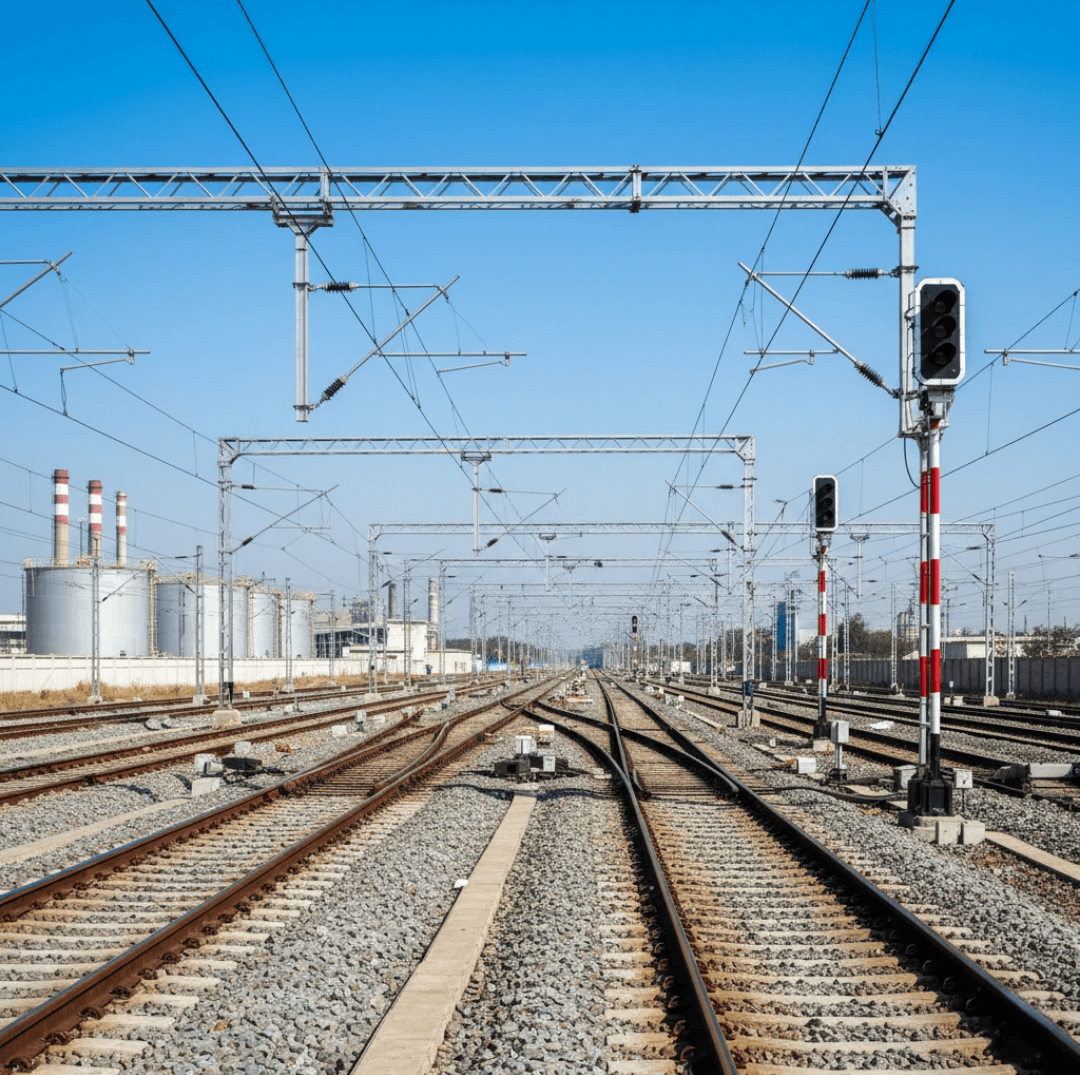
Conclusion
Railway siding development in India is more than a connectivity solution—it is a strategic infrastructure investment that enhances industrial productivity and long-term growth. From compliance and engineering to operational efficiency and cost savings, railway sidings provide a comprehensive logistics advantage.
For companies seeking reliable, compliant, and future-ready rail infrastructure solutions, professional execution and domain expertise are essential. As India’s freight ecosystem continues to evolve, railway siding development will remain at the core of industrial logistics transformation.
The Future of Railway Siding Development in India
The future of railway siding projects in India is closely tied to the country’s industrial growth and infrastructure modernization. As India strengthens its manufacturing capabilities and positions itself as a global production hub, efficient rail connectivity will play a pivotal role.
With expanding freight corridors, increased private sector participation, and continued electrification of railway routes, demand for railway siding development is expected to grow steadily over the coming years. Industries that invest in rail connectivity today will gain a strong competitive advantage in cost efficiency, reliability, and scalability.
Conclusion
Railway siding development in India is more than a connectivity solution—it is a strategic infrastructure investment that enhances industrial productivity and long-term growth. From compliance and engineering to operational efficiency and cost savings, railway sidings provide a comprehensive logistics advantage.
For companies seeking reliable, compliant, and future-ready rail infrastructure solutions, professional execution and domain expertise are essential. As India’s freight ecosystem continues to evolve, railway siding development will remain at the core of industrial logistics transformation.
The Future of Railway Siding Development in India
The future of railway siding projects in India is closely tied to the country’s industrial growth and infrastructure modernization. As India strengthens its manufacturing capabilities and positions itself as a global production hub, efficient rail connectivity will play a pivotal role.
With expanding freight corridors, increased private sector participation, and continued electrification of railway routes, demand for railway siding development is expected to grow steadily over the coming years. Industries that invest in rail connectivity today will gain a strong competitive advantage in cost efficiency, reliability, and scalability.
Conclusion
Railway siding development in India is more than a connectivity solution—it is a strategic infrastructure investment that enhances industrial productivity and long-term growth. From compliance and engineering to operational efficiency and cost savings, railway sidings provide a comprehensive logistics advantage.
For companies seeking reliable, compliant, and future-ready rail infrastructure solutions, professional execution and domain expertise are essential. As India’s freight ecosystem continues to evolve, railway siding development will remain at the core of industrial logistics transformation.
OUR LATEST NEWS
OUR LATEST NEWS
OUR LATEST NEWS