BLOG DETAILS
BLOG DETAILS
BLOG DETAILS
The Role of Private Infrastructure Companies in India’s Railway Expansion
The Role of Private Infrastructure Companies in India’s Railway Expansion
The Role of Private Infrastructure Companies in India’s Railway Expansion
Jan 5, 2026
/
Savik Infra
/
8 mins
Jan 5, 2026
/
Savik Infra
/
8 mins
Jan 5, 2026
/
Savik Infra
/
8 mins
Growing Demand for Modern Railway Infrastructure
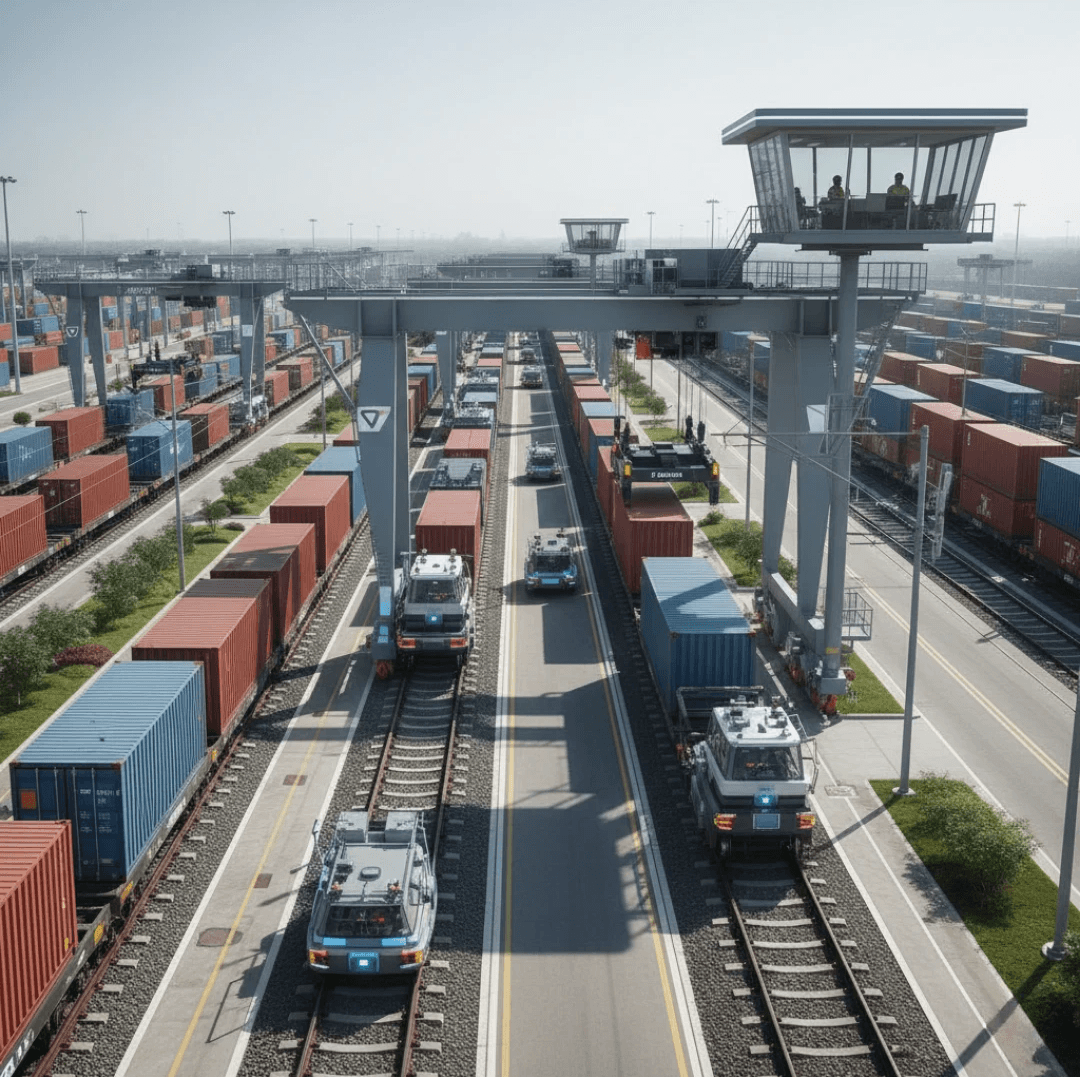
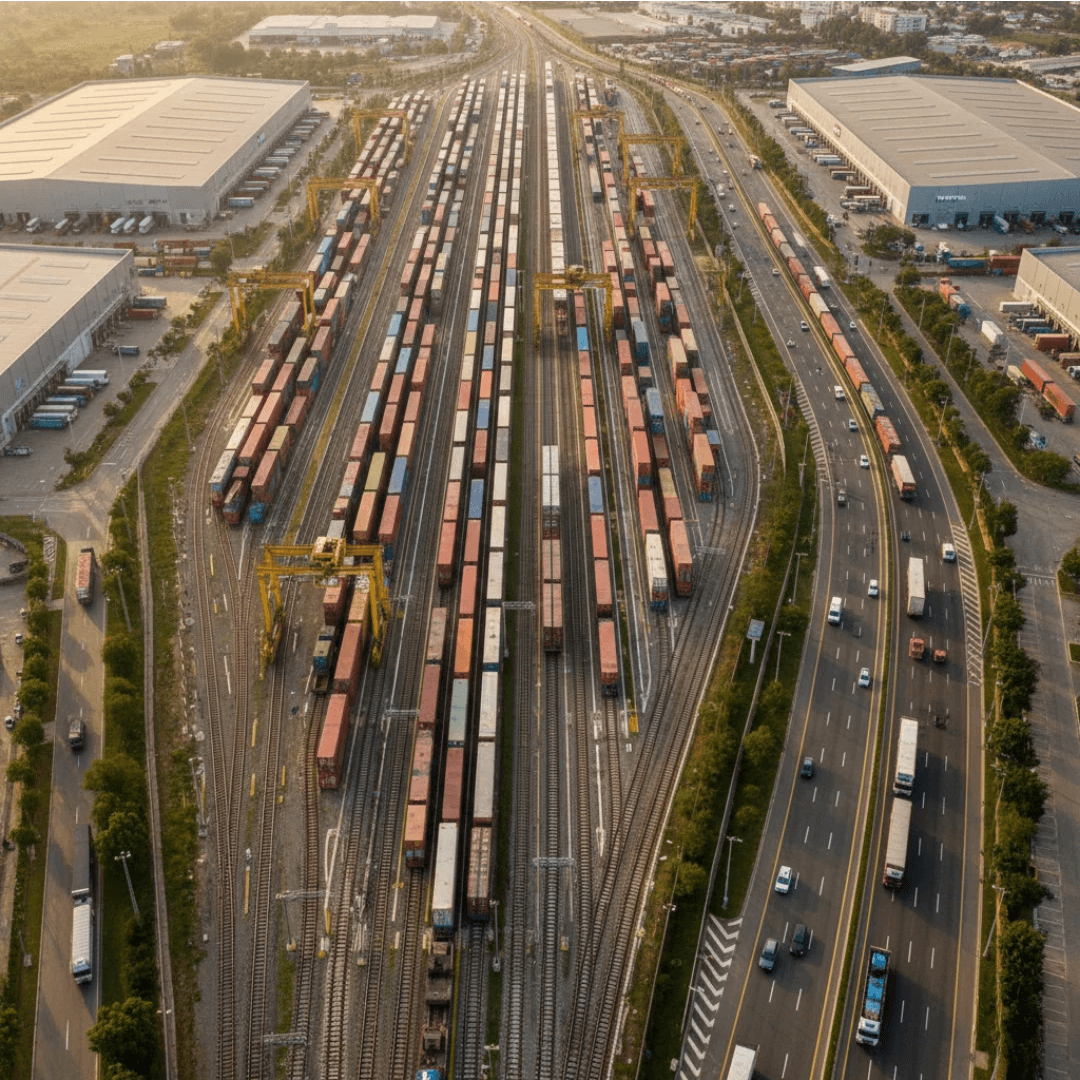
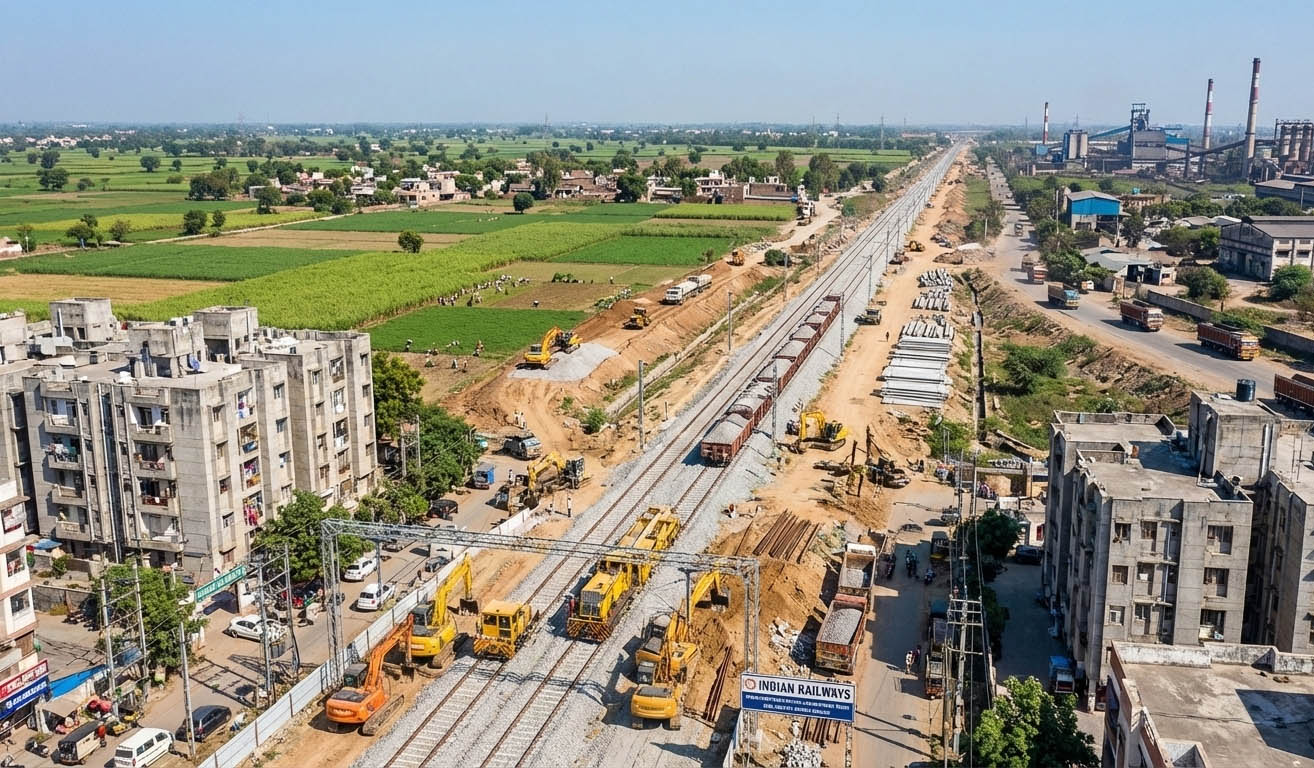
India’s railway network is undergoing a historic transformation driven by rising passenger demand, freight movement growth, and the government’s vision for faster, safer, and more efficient transport. The expansion and modernization of Indian Railways requires large-scale execution across railway track construction, electrification, signaling, bridges, tunnels, and station redevelopment. This growing demand has opened the door for private infrastructure companies to play a decisive role in India’s railway expansion, bringing speed, expertise, and innovation into railway infrastructure development.
Contribution of Private Infrastructure Companies to Railway Construction
Private infrastructure companies have become essential partners in railway civil construction projects across India. From earthwork, embankment formation, and drainage systems to track laying with concrete sleepers and ballastless track technology, private contractors execute complex railway projects with precision. Their ability to deploy modern machinery, skilled manpower, and quality control systems ensures faster delivery and higher safety standards. This has positioned railway track construction companies in India and private railway contractors as critical contributors to national infrastructure growth.
Role in Railway Electrification and Signaling Systems
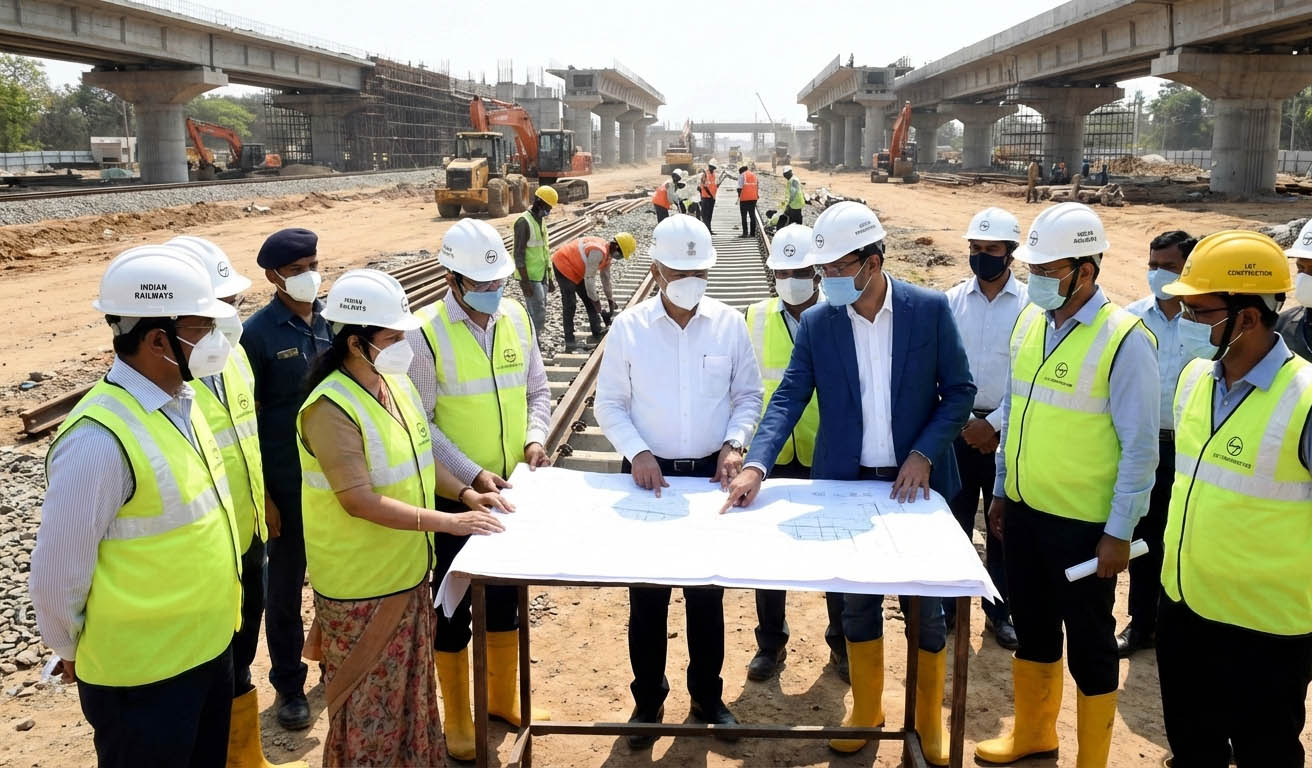
Railway electrification is one of the most important pillars of India’s railway modernization strategy. Private infrastructure companies play a key role in executing electrification projects, including overhead equipment installation, traction substations, and power supply systems. Alongside electrification, private players are also deeply involved in advanced railway signaling solutions such as electronic interlocking, automatic block signaling, and train protection systems. These technically demanding areas highlight the importance of railway electrification projects in India and railway signaling contractors in ensuring operational efficiency and passenger safety.
Growing Demand for Modern Railway Infrastructure
India’s railway network is undergoing a historic transformation driven by rising passenger demand, freight movement growth, and the government’s vision for faster, safer, and more efficient transport. The expansion and modernization of Indian Railways requires large-scale execution across railway track construction, electrification, signaling, bridges, tunnels, and station redevelopment. This growing demand has opened the door for private infrastructure companies to play a decisive role in India’s railway expansion, bringing speed, expertise, and innovation into railway infrastructure development.
Contribution of Private Infrastructure Companies to Railway Construction
Private infrastructure companies have become essential partners in railway civil construction projects across India. From earthwork, embankment formation, and drainage systems to track laying with concrete sleepers and ballastless track technology, private contractors execute complex railway projects with precision. Their ability to deploy modern machinery, skilled manpower, and quality control systems ensures faster delivery and higher safety standards. This has positioned railway track construction companies in India and private railway contractors as critical contributors to national infrastructure growth.
Role in Railway Electrification and Signaling Systems
Railway electrification is one of the most important pillars of India’s railway modernization strategy. Private infrastructure companies play a key role in executing electrification projects, including overhead equipment installation, traction substations, and power supply systems. Alongside electrification, private players are also deeply involved in advanced railway signaling solutions such as electronic interlocking, automatic block signaling, and train protection systems. These technically demanding areas highlight the importance of railway electrification projects in India and railway signaling contractors in ensuring operational efficiency and passenger safety.
Growing Demand for Modern Railway Infrastructure
India’s railway network is undergoing a historic transformation driven by rising passenger demand, freight movement growth, and the government’s vision for faster, safer, and more efficient transport. The expansion and modernization of Indian Railways requires large-scale execution across railway track construction, electrification, signaling, bridges, tunnels, and station redevelopment. This growing demand has opened the door for private infrastructure companies to play a decisive role in India’s railway expansion, bringing speed, expertise, and innovation into railway infrastructure development.
Contribution of Private Infrastructure Companies to Railway Construction
Private infrastructure companies have become essential partners in railway civil construction projects across India. From earthwork, embankment formation, and drainage systems to track laying with concrete sleepers and ballastless track technology, private contractors execute complex railway projects with precision. Their ability to deploy modern machinery, skilled manpower, and quality control systems ensures faster delivery and higher safety standards. This has positioned railway track construction companies in India and private railway contractors as critical contributors to national infrastructure growth.
Role in Railway Electrification and Signaling Systems
Railway electrification is one of the most important pillars of India’s railway modernization strategy. Private infrastructure companies play a key role in executing electrification projects, including overhead equipment installation, traction substations, and power supply systems. Alongside electrification, private players are also deeply involved in advanced railway signaling solutions such as electronic interlocking, automatic block signaling, and train protection systems. These technically demanding areas highlight the importance of railway electrification projects in India and railway signaling contractors in ensuring operational efficiency and passenger safety.
Building home, happy hearts
Building home, happy hearts
Innovative technology with building better development
Innovative technology with building better development
Discovering possibility and transparent communication
Discovering possibility and transparent communication
The ability to turnaround costing with sustainable construction
The ability to turnaround costing with sustainable construction
Building home, happy hearts
Innovative technology with building better development
Discovering possibility and transparent communication
The ability to turnaround costing with sustainable construction
Building home, happy hearts
Innovative technology with building better development
Discovering possibility and transparent communication
The ability to turnaround costing with sustainable construction
Enhancing Efficiency Through Project Management Expertise
Large railway infrastructure projects involve multiple stakeholders, tight timelines, and continuous coordination with live railway operations. Private infrastructure companies bring strong project management capabilities, digital monitoring tools, and structured execution frameworks that help reduce delays and cost overruns. Their experience in handling EPC and PPP-based railway projects ensures better risk management and timely completion. This efficiency strengthens the overall ecosystem of railway project management in India and improves long-term asset performance.
Railway Station Redevelopment and Integrated Infrastructure
Private infrastructure companies are also reshaping the future of railway stations across India. Modern station redevelopment projects go beyond platforms and tracks, focusing on passenger amenities, commercial spaces, parking, foot overbridges, and multimodal connectivity. By executing integrated infrastructure solutions, private firms help transform stations into urban transport hubs. This shift aligns strongly with high-search areas such as railway station redevelopment in India and railway infrastructure modernization.
Enhancing Efficiency Through Project Management Expertise
Large railway infrastructure projects involve multiple stakeholders, tight timelines, and continuous coordination with live railway operations. Private infrastructure companies bring strong project management capabilities, digital monitoring tools, and structured execution frameworks that help reduce delays and cost overruns. Their experience in handling EPC and PPP-based railway projects ensures better risk management and timely completion. This efficiency strengthens the overall ecosystem of railway project management in India and improves long-term asset performance.
Railway Station Redevelopment and Integrated Infrastructure
Private infrastructure companies are also reshaping the future of railway stations across India. Modern station redevelopment projects go beyond platforms and tracks, focusing on passenger amenities, commercial spaces, parking, foot overbridges, and multimodal connectivity. By executing integrated infrastructure solutions, private firms help transform stations into urban transport hubs. This shift aligns strongly with high-search areas such as railway station redevelopment in India and railway infrastructure modernization.
Enhancing Efficiency Through Project Management Expertise
Large railway infrastructure projects involve multiple stakeholders, tight timelines, and continuous coordination with live railway operations. Private infrastructure companies bring strong project management capabilities, digital monitoring tools, and structured execution frameworks that help reduce delays and cost overruns. Their experience in handling EPC and PPP-based railway projects ensures better risk management and timely completion. This efficiency strengthens the overall ecosystem of railway project management in India and improves long-term asset performance.
Railway Station Redevelopment and Integrated Infrastructure
Private infrastructure companies are also reshaping the future of railway stations across India. Modern station redevelopment projects go beyond platforms and tracks, focusing on passenger amenities, commercial spaces, parking, foot overbridges, and multimodal connectivity. By executing integrated infrastructure solutions, private firms help transform stations into urban transport hubs. This shift aligns strongly with high-search areas such as railway station redevelopment in India and railway infrastructure modernization.
India’s railway network is undergoing a historic transformation driven by rising passenger demand, freight movement growth, and the government’s vision for faster, safer, and more efficient transport.
India’s railway network is undergoing a historic transformation driven by rising passenger demand, freight movement growth, and the government’s vision for faster, safer, and more efficient transport.
India’s railway network is undergoing a historic transformation driven by rising passenger demand, freight movement growth, and the government’s vision for faster, safer, and more efficient transport.
India’s railway network is undergoing a historic transformation driven by rising passenger demand, freight movement growth, and the government’s vision for faster, safer, and more efficient transport.
Economic Impact and Employment Generation
The involvement of private infrastructure companies in India’s railway expansion creates a significant economic multiplier effect. Large railway projects generate employment for engineers, supervisors, technicians, and skilled workers while supporting local suppliers and logistics providers. This strengthens regional economies and builds long-term technical capacity within the construction sector. As a result, private infrastructure investment in Indian railways has become a key driver of sustainable economic growth.
The Future of Public–Private Collaboration in Indian Railways
As India continues to invest heavily in railway modernization, the role of private infrastructure companies will only expand. Strong public–private collaboration is essential to meet ambitious targets for capacity expansion, safety upgrades, and technological advancement. Companies like Savik Infra, with experience across diverse construction and infrastructure domains, are well-positioned to support this national mission. The future of India’s railway network will be defined by innovation, efficiency, and execution excellence, making private infrastructure companies a cornerstone of India’s railway expansion strategy.
Economic Impact and Employment Generation
The involvement of private infrastructure companies in India’s railway expansion creates a significant economic multiplier effect. Large railway projects generate employment for engineers, supervisors, technicians, and skilled workers while supporting local suppliers and logistics providers. This strengthens regional economies and builds long-term technical capacity within the construction sector. As a result, private infrastructure investment in Indian railways has become a key driver of sustainable economic growth.
The Future of Public–Private Collaboration in Indian Railways
As India continues to invest heavily in railway modernization, the role of private infrastructure companies will only expand. Strong public–private collaboration is essential to meet ambitious targets for capacity expansion, safety upgrades, and technological advancement. Companies like Savik Infra, with experience across diverse construction and infrastructure domains, are well-positioned to support this national mission. The future of India’s railway network will be defined by innovation, efficiency, and execution excellence, making private infrastructure companies a cornerstone of India’s railway expansion strategy.
Economic Impact and Employment Generation
The involvement of private infrastructure companies in India’s railway expansion creates a significant economic multiplier effect. Large railway projects generate employment for engineers, supervisors, technicians, and skilled workers while supporting local suppliers and logistics providers. This strengthens regional economies and builds long-term technical capacity within the construction sector. As a result, private infrastructure investment in Indian railways has become a key driver of sustainable economic growth.
The Future of Public–Private Collaboration in Indian Railways
As India continues to invest heavily in railway modernization, the role of private infrastructure companies will only expand. Strong public–private collaboration is essential to meet ambitious targets for capacity expansion, safety upgrades, and technological advancement. Companies like Savik Infra, with experience across diverse construction and infrastructure domains, are well-positioned to support this national mission. The future of India’s railway network will be defined by innovation, efficiency, and execution excellence, making private infrastructure companies a cornerstone of India’s railway expansion strategy.
OUR LATEST NEWS
OUR LATEST NEWS
OUR LATEST NEWS