BLOG DETAILS
BLOG DETAILS
BLOG DETAILS
What Makes a Bridge Strong? The Science Behind Load, Support & Stability
What Makes a Bridge Strong? The Science Behind Load, Support & Stability
What Makes a Bridge Strong? The Science Behind Load, Support & Stability
Dec 12, 2025
/
Savik Infra
/
8 min
Dec 12, 2025
/
Savik Infra
/
8 min
Dec 12, 2025
/
Savik Infra
/
8 min
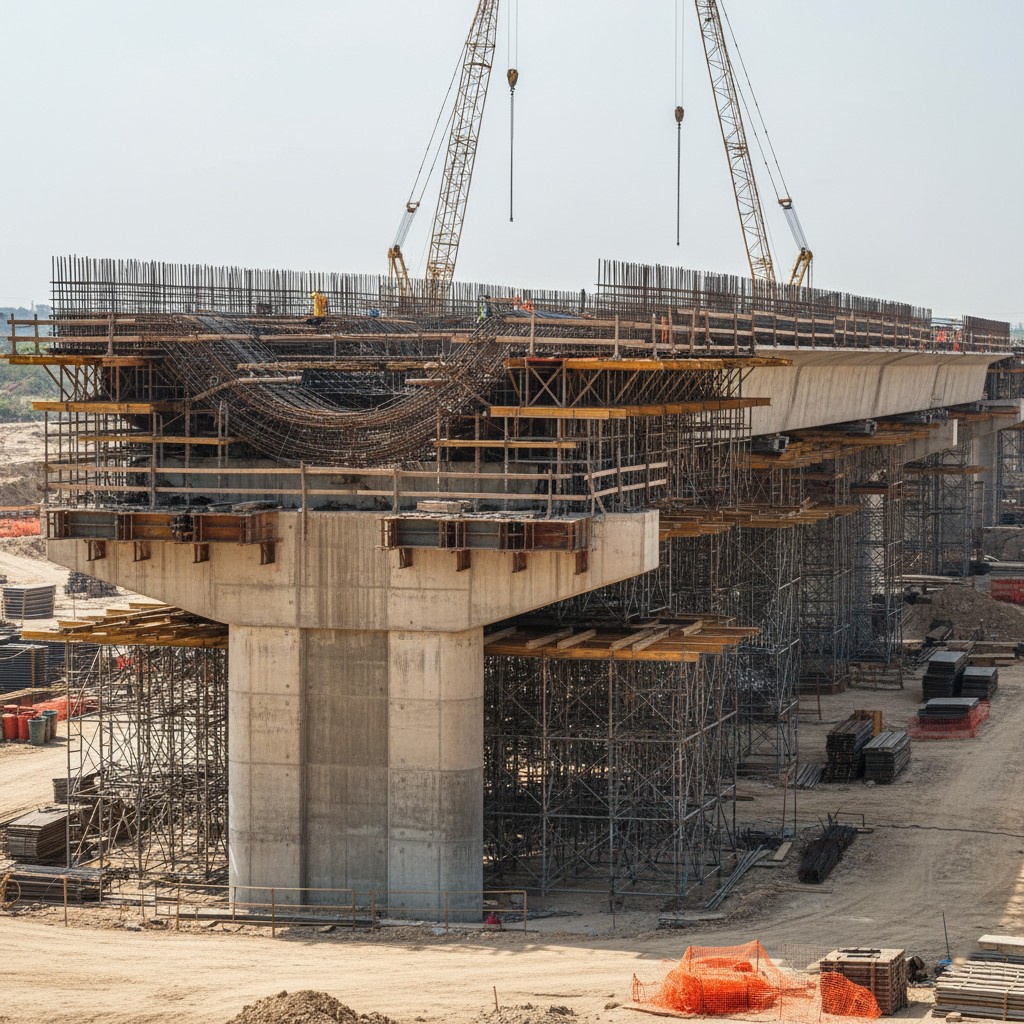
Bridges are among the most important structures in any country’s infrastructure. They connect cities, improve transportation, and support economic growth. But behind every bridge lies a detailed engineering process that ensures it stays strong, safe, and stable for decades. At Savik Infra, where government infrastructure is built with precision, quality, and compliance, understanding what makes a bridge strong is at the heart of every project we deliver.
A bridge may look simple from the outside, but it handles enormous forces every second — the weight of vehicles, wind pressure, water flow, vibrations, temperature changes, and even natural calamities. The strength of a bridge depends on how these forces are managed through advanced engineering, material science, and flawless execution.
The Foundation: Load and How It Works
Every bridge must bear different kinds of loads. These loads determine how the structure should be designed and what materials should be used. The primary load that engineers consider is the dead load — the weight of the bridge itself. On top of that comes the live load, which includes vehicles, pedestrians, trains, and sometimes even heavy machinery passing over it. Understanding these load types helps engineers calculate how much weight the bridge must carry at any moment.
Bridges must also be designed to handle dynamic loads. These are forces that change over time, like the pressure caused by wind or the shaking effect produced by fast-moving trains. Temperature expansion and contraction also play a role. This means that every joint, cable, beam, and support must be engineered to adapt to constant movement without losing stability.
How Support Systems Keep a Bridge Standing
At the core of every stable bridge lies its support system. These supports transfer all the load from the deck to the ground. For example, piers are vertical supports placed at intervals along long bridges, while abutments anchor the structure at both ends. The stronger these supports are, the longer the bridge will last.
Engineers calculate the soil strength beneath the structure to make sure the ground can hold the weight. Even the best-designed bridge can fail if the soil foundation is weak. That is why advanced geotechnical surveys are carried out before construction begins. At Savik Infra, this process ensures that every bridge we build stands strong even in challenging terrains, riverbeds, or high-traffic urban corridors.
The Role of Materials in Bridge Strength
Materials are a vital part of a bridge’s durability. High-quality steel, reinforced concrete, prestressed concrete, and composite materials are carefully selected based on the type of bridge being constructed. Reinforced concrete carries heavy loads effectively, while steel provides flexibility and resistance to tension. Prestressed concrete offers enhanced strength and is often used in long-span structures like flyovers and large government bridges.
Modern bridge construction also uses corrosion-resistant materials, waterproof coatings, and protective layers that increase lifespan. This ensures that bridges can stand strong despite harsh weather, water exposure, and constant traffic load. Using the right materials in the right areas is one of the strongest defenses against long-term wear and structural fatigue.
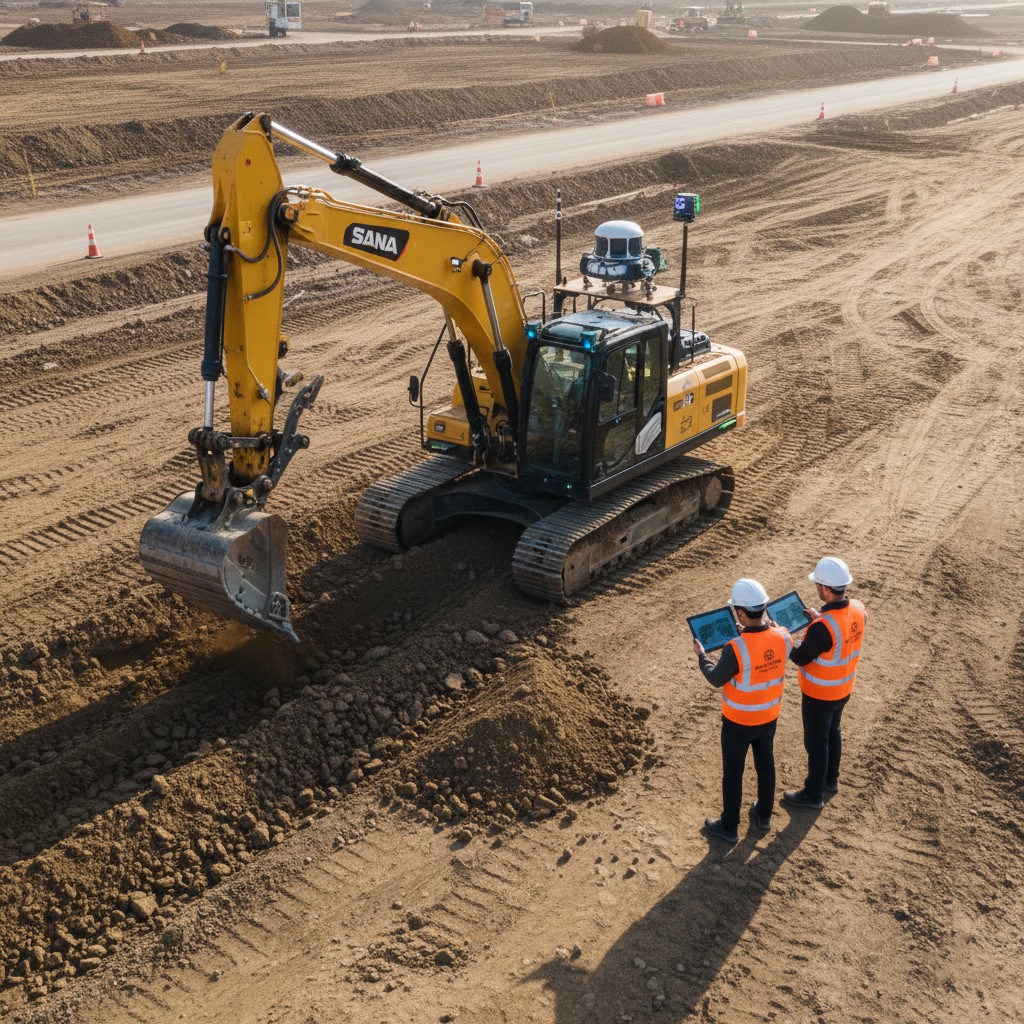
Bridges are among the most important structures in any country’s infrastructure. They connect cities, improve transportation, and support economic growth. But behind every bridge lies a detailed engineering process that ensures it stays strong, safe, and stable for decades. At Savik Infra, where government infrastructure is built with precision, quality, and compliance, understanding what makes a bridge strong is at the heart of every project we deliver.
A bridge may look simple from the outside, but it handles enormous forces every second — the weight of vehicles, wind pressure, water flow, vibrations, temperature changes, and even natural calamities. The strength of a bridge depends on how these forces are managed through advanced engineering, material science, and flawless execution.
The Foundation: Load and How It Works
Every bridge must bear different kinds of loads. These loads determine how the structure should be designed and what materials should be used. The primary load that engineers consider is the dead load — the weight of the bridge itself. On top of that comes the live load, which includes vehicles, pedestrians, trains, and sometimes even heavy machinery passing over it. Understanding these load types helps engineers calculate how much weight the bridge must carry at any moment.
Bridges must also be designed to handle dynamic loads. These are forces that change over time, like the pressure caused by wind or the shaking effect produced by fast-moving trains. Temperature expansion and contraction also play a role. This means that every joint, cable, beam, and support must be engineered to adapt to constant movement without losing stability.
How Support Systems Keep a Bridge Standing
At the core of every stable bridge lies its support system. These supports transfer all the load from the deck to the ground. For example, piers are vertical supports placed at intervals along long bridges, while abutments anchor the structure at both ends. The stronger these supports are, the longer the bridge will last.
Engineers calculate the soil strength beneath the structure to make sure the ground can hold the weight. Even the best-designed bridge can fail if the soil foundation is weak. That is why advanced geotechnical surveys are carried out before construction begins. At Savik Infra, this process ensures that every bridge we build stands strong even in challenging terrains, riverbeds, or high-traffic urban corridors.
The Role of Materials in Bridge Strength
Materials are a vital part of a bridge’s durability. High-quality steel, reinforced concrete, prestressed concrete, and composite materials are carefully selected based on the type of bridge being constructed. Reinforced concrete carries heavy loads effectively, while steel provides flexibility and resistance to tension. Prestressed concrete offers enhanced strength and is often used in long-span structures like flyovers and large government bridges.
Modern bridge construction also uses corrosion-resistant materials, waterproof coatings, and protective layers that increase lifespan. This ensures that bridges can stand strong despite harsh weather, water exposure, and constant traffic load. Using the right materials in the right areas is one of the strongest defenses against long-term wear and structural fatigue.
Bridges are among the most important structures in any country’s infrastructure. They connect cities, improve transportation, and support economic growth. But behind every bridge lies a detailed engineering process that ensures it stays strong, safe, and stable for decades. At Savik Infra, where government infrastructure is built with precision, quality, and compliance, understanding what makes a bridge strong is at the heart of every project we deliver.
A bridge may look simple from the outside, but it handles enormous forces every second — the weight of vehicles, wind pressure, water flow, vibrations, temperature changes, and even natural calamities. The strength of a bridge depends on how these forces are managed through advanced engineering, material science, and flawless execution.
The Foundation: Load and How It Works
Every bridge must bear different kinds of loads. These loads determine how the structure should be designed and what materials should be used. The primary load that engineers consider is the dead load — the weight of the bridge itself. On top of that comes the live load, which includes vehicles, pedestrians, trains, and sometimes even heavy machinery passing over it. Understanding these load types helps engineers calculate how much weight the bridge must carry at any moment.
Bridges must also be designed to handle dynamic loads. These are forces that change over time, like the pressure caused by wind or the shaking effect produced by fast-moving trains. Temperature expansion and contraction also play a role. This means that every joint, cable, beam, and support must be engineered to adapt to constant movement without losing stability.
How Support Systems Keep a Bridge Standing
At the core of every stable bridge lies its support system. These supports transfer all the load from the deck to the ground. For example, piers are vertical supports placed at intervals along long bridges, while abutments anchor the structure at both ends. The stronger these supports are, the longer the bridge will last.
Engineers calculate the soil strength beneath the structure to make sure the ground can hold the weight. Even the best-designed bridge can fail if the soil foundation is weak. That is why advanced geotechnical surveys are carried out before construction begins. At Savik Infra, this process ensures that every bridge we build stands strong even in challenging terrains, riverbeds, or high-traffic urban corridors.
The Role of Materials in Bridge Strength
Materials are a vital part of a bridge’s durability. High-quality steel, reinforced concrete, prestressed concrete, and composite materials are carefully selected based on the type of bridge being constructed. Reinforced concrete carries heavy loads effectively, while steel provides flexibility and resistance to tension. Prestressed concrete offers enhanced strength and is often used in long-span structures like flyovers and large government bridges.
Modern bridge construction also uses corrosion-resistant materials, waterproof coatings, and protective layers that increase lifespan. This ensures that bridges can stand strong despite harsh weather, water exposure, and constant traffic load. Using the right materials in the right areas is one of the strongest defenses against long-term wear and structural fatigue.
Building home, happy hearts
Building home, happy hearts
Innovative technology with building better development
Innovative technology with building better development
Discovering possibility and transparent communication
Discovering possibility and transparent communication
The ability to turnaround costing with sustainable construction
The ability to turnaround costing with sustainable construction
Building home, happy hearts
Innovative technology with building better development
Discovering possibility and transparent communication
The ability to turnaround costing with sustainable construction
Building home, happy hearts
Innovative technology with building better development
Discovering possibility and transparent communication
The ability to turnaround costing with sustainable construction
Where Detailed Detailing Matters
To understand the science of bridge strength, engineers pay attention to the following technical elements:
Load Distribution – Ensures weight spreads evenly across beams, girders, and deck.
Support Alignment – Proper placement of piers and abutments prevents imbalance.
Tension & Compression Control – Designs must balance forces pushing and pulling on the structure.
Vibration Management – Reduces shaking caused by vehicles, wind, or trains.
Thermal Expansion Joints – Allow the bridge to expand and contract without cracking.
Drainage Systems – Prevent water accumulation, which can weaken concrete and steel.
Earthquake & Wind Resistance – Ensures the bridge stays stable during natural forces.
This combination of engineering checks ensures reliability and long-term performance.
Where Detailed Detailing Matters
To understand the science of bridge strength, engineers pay attention to the following technical elements:
Load Distribution – Ensures weight spreads evenly across beams, girders, and deck.
Support Alignment – Proper placement of piers and abutments prevents imbalance.
Tension & Compression Control – Designs must balance forces pushing and pulling on the structure.
Vibration Management – Reduces shaking caused by vehicles, wind, or trains.
Thermal Expansion Joints – Allow the bridge to expand and contract without cracking.
Drainage Systems – Prevent water accumulation, which can weaken concrete and steel.
Earthquake & Wind Resistance – Ensures the bridge stays stable during natural forces.
This combination of engineering checks ensures reliability and long-term performance.
Where Detailed Detailing Matters
To understand the science of bridge strength, engineers pay attention to the following technical elements:
Load Distribution – Ensures weight spreads evenly across beams, girders, and deck.
Support Alignment – Proper placement of piers and abutments prevents imbalance.
Tension & Compression Control – Designs must balance forces pushing and pulling on the structure.
Vibration Management – Reduces shaking caused by vehicles, wind, or trains.
Thermal Expansion Joints – Allow the bridge to expand and contract without cracking.
Drainage Systems – Prevent water accumulation, which can weaken concrete and steel.
Earthquake & Wind Resistance – Ensures the bridge stays stable during natural forces.
This combination of engineering checks ensures reliability and long-term performance.
Bridges are among the most important structures in any country’s infrastructure. They connect cities, improve transportation, and support economic growth. But behind every bridge lies a detailed engineering process that ensures it stays strong, safe, and stable for decades.
Bridges are among the most important structures in any country’s infrastructure. They connect cities, improve transportation, and support economic growth. But behind every bridge lies a detailed engineering process that ensures it stays strong, safe, and stable for decades.
Bridges are among the most important structures in any country’s infrastructure. They connect cities, improve transportation, and support economic growth. But behind every bridge lies a detailed engineering process that ensures it stays strong, safe, and stable for decades.
Bridges are among the most important structures in any country’s infrastructure. They connect cities, improve transportation, and support economic growth. But behind every bridge lies a detailed engineering process that ensures it stays strong, safe, and stable for decades.
Stability and Safety: The Final Goal
A strong bridge is not just about load-bearing capacity — it is equally about stability during unforeseen conditions. Factors like river floods, continuous traffic pressure, sudden braking loads, and extreme temperatures must be taken into account. Stability is also maintained through regular maintenance checks, structural inspections, and monitoring systems that identify early signs of wear or damage.
Government infrastructure projects demand a higher standard of safety and compliance, and companies like Savik Infra follow strict guidelines set by national agencies and engineering codes. Every bolt, every beam alignment, and every concrete pour is inspected to ensure the structure meets the highest standards of public safety.
Conclusion
A bridge becomes strong through the perfect blend of engineering design, quality materials, accurate execution, and proper maintenance. From understanding load distribution to ensuring proper support and stability, every phase plays a critical role in making a bridge safe for thousands — sometimes millions — of people who use it every day. At Savik Infra, we take pride in contributing to India’s infrastructure with structures that are built to last, no matter the challenge.
Stability and Safety: The Final Goal
A strong bridge is not just about load-bearing capacity — it is equally about stability during unforeseen conditions. Factors like river floods, continuous traffic pressure, sudden braking loads, and extreme temperatures must be taken into account. Stability is also maintained through regular maintenance checks, structural inspections, and monitoring systems that identify early signs of wear or damage.
Government infrastructure projects demand a higher standard of safety and compliance, and companies like Savik Infra follow strict guidelines set by national agencies and engineering codes. Every bolt, every beam alignment, and every concrete pour is inspected to ensure the structure meets the highest standards of public safety.
Conclusion
A bridge becomes strong through the perfect blend of engineering design, quality materials, accurate execution, and proper maintenance. From understanding load distribution to ensuring proper support and stability, every phase plays a critical role in making a bridge safe for thousands — sometimes millions — of people who use it every day. At Savik Infra, we take pride in contributing to India’s infrastructure with structures that are built to last, no matter the challenge.
Stability and Safety: The Final Goal
A strong bridge is not just about load-bearing capacity — it is equally about stability during unforeseen conditions. Factors like river floods, continuous traffic pressure, sudden braking loads, and extreme temperatures must be taken into account. Stability is also maintained through regular maintenance checks, structural inspections, and monitoring systems that identify early signs of wear or damage.
Government infrastructure projects demand a higher standard of safety and compliance, and companies like Savik Infra follow strict guidelines set by national agencies and engineering codes. Every bolt, every beam alignment, and every concrete pour is inspected to ensure the structure meets the highest standards of public safety.
Conclusion
A bridge becomes strong through the perfect blend of engineering design, quality materials, accurate execution, and proper maintenance. From understanding load distribution to ensuring proper support and stability, every phase plays a critical role in making a bridge safe for thousands — sometimes millions — of people who use it every day. At Savik Infra, we take pride in contributing to India’s infrastructure with structures that are built to last, no matter the challenge.
OUR LATEST NEWS
OUR LATEST NEWS
OUR LATEST NEWS